What happens when a tool built for impact becomes obsolete?
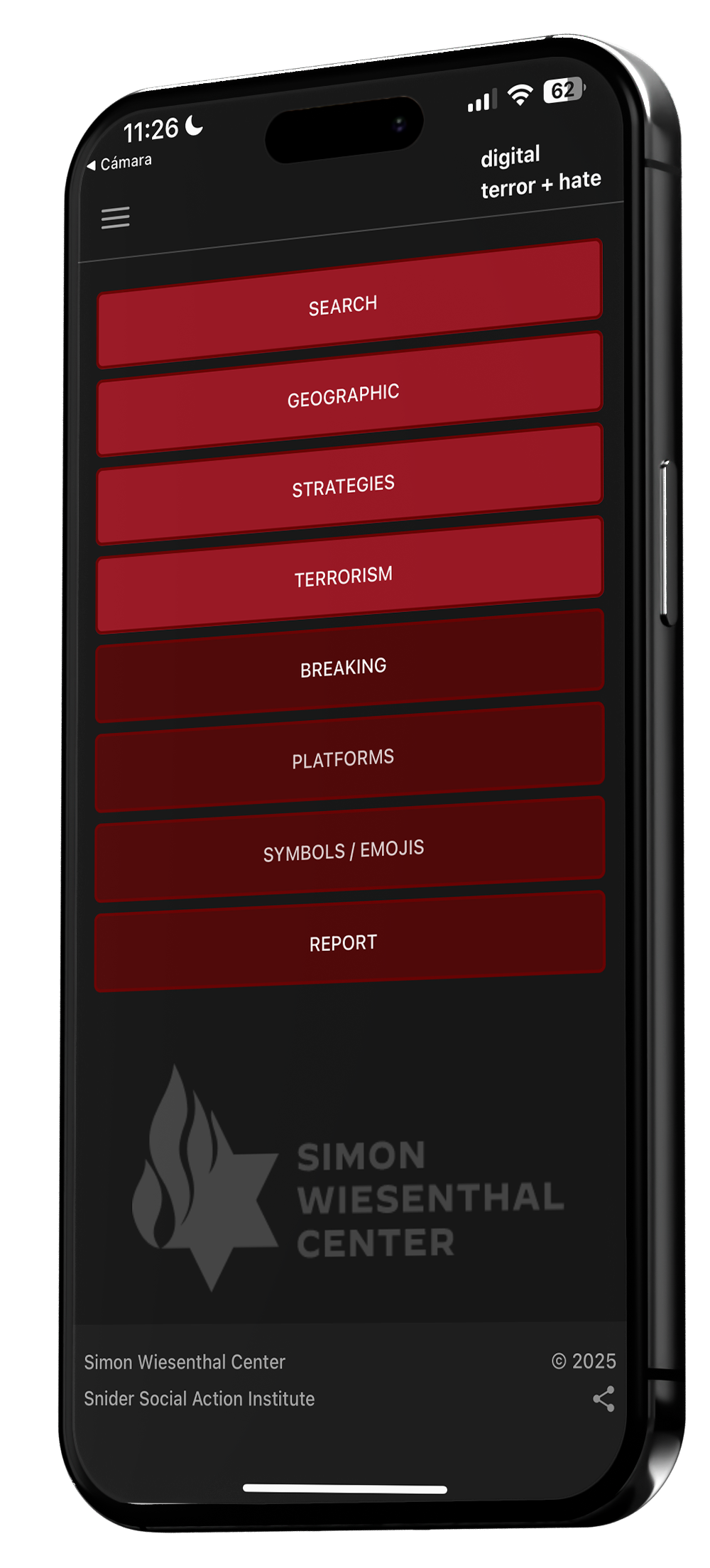
hat’s what we faced with the Simon Wiesenthal Center’s mobile app: an outdated platform, a fractured codebase, and a user experience that no longer served its mission. The goal? Revive the app. Restore its purpose. Modernize its reach.
Foundation First
Rebuilding from the inside out. The legacy code was brittle—riddled with bugs, unsupported on newer OS versions (especially Android), and nearly impossible to update. We began with a full code audit, then rewrote core components and restructured the backend to support dynamic content updates. The result: a solid, scalable foundation ready for growth.
Smarter UX, Greater Relevance
Improved navigation. Expanded content. Real impact.
With stability in place, we leveled up usability and content strategy:
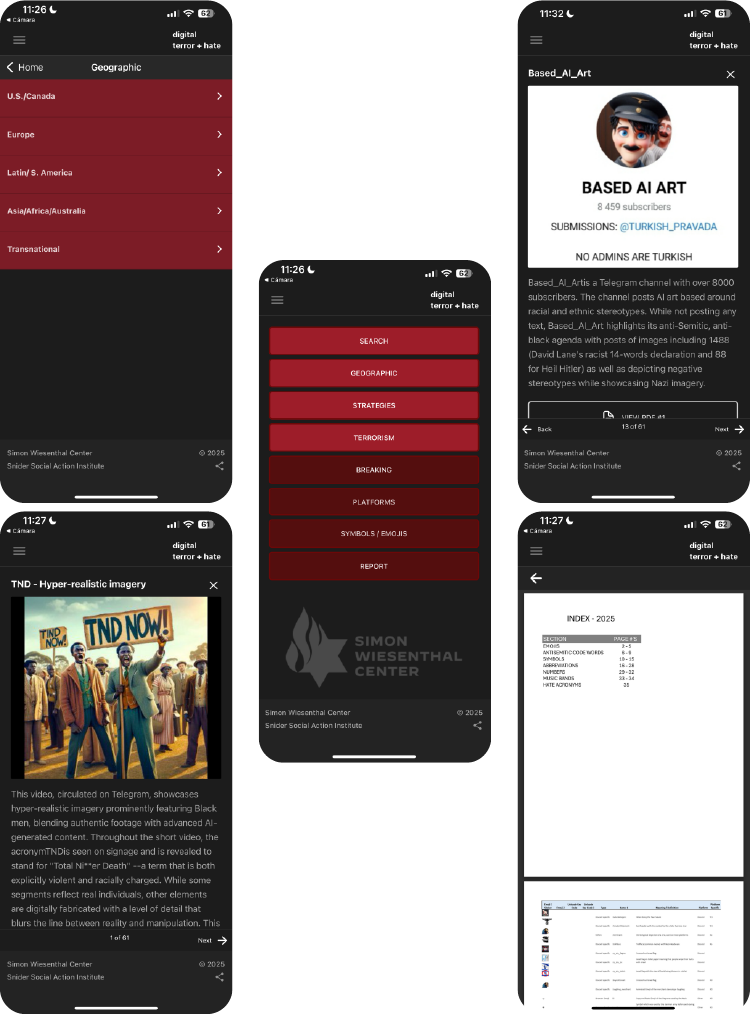
•Introduced a new content category aligned with the Center’s mission
•Simplified navigation with UX/UI improvements
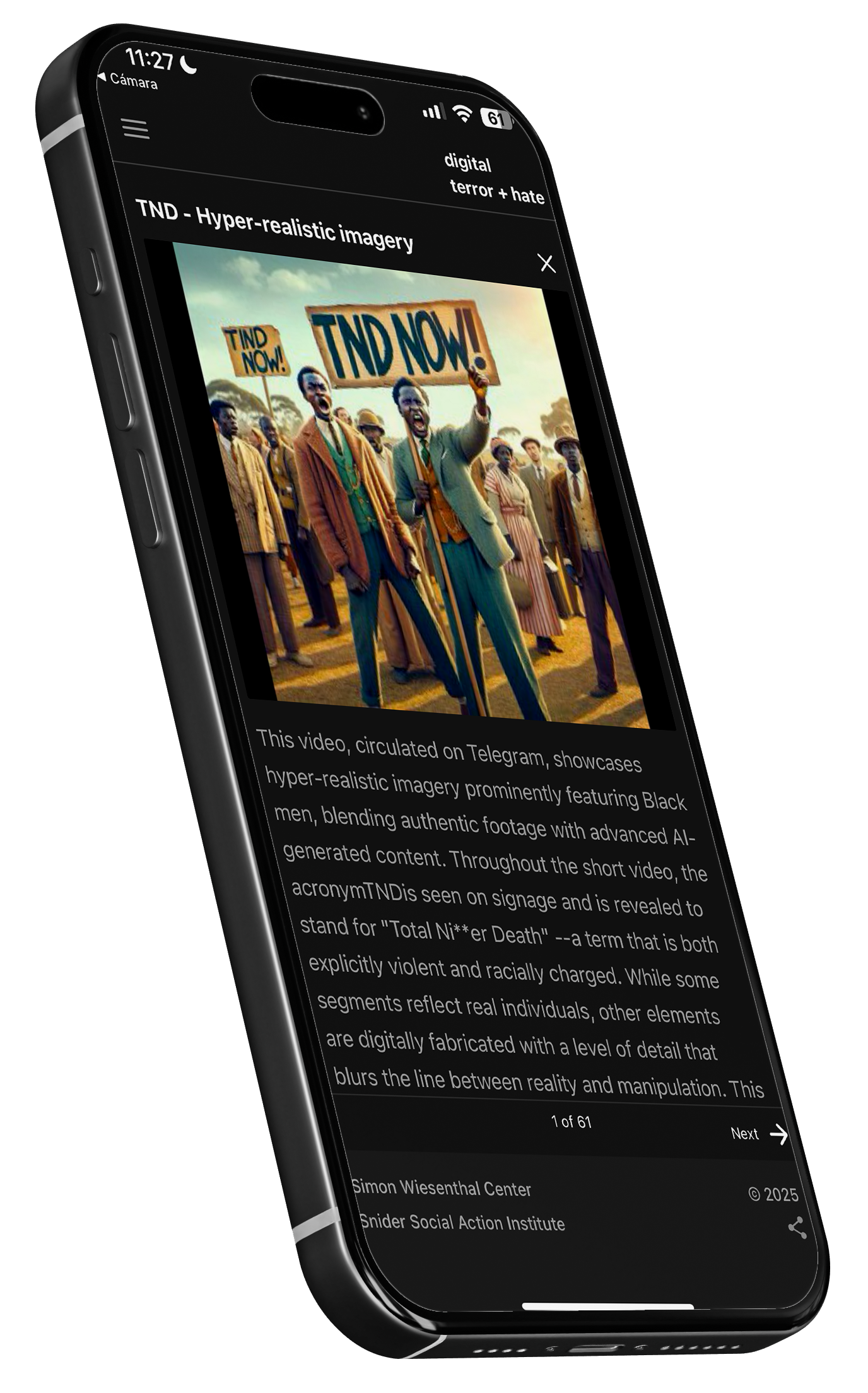
•Implemented an upgraded content display system, allowing users to move faster and find what matters most
This turned a static, outdated app into a dynamic, evolving experience.
Collaboration in Motion
Design. Preview. Iterate. Together.
We worked side-by-side with the client using:
•Figma for collaborative UI/UX design
•Expo Go to enable live previews directly on mobile devices
This real-time validation process reduced misalignment and sped up iteration—what the client saw was exactly what users would get.
Peeling Back the Process
Legacy doesn’t mean outdated.
With a strong technical rebuild, thoughtful UX, and agile collaboration, we helped the Simon Wiesenthal Center transform a forgotten app into a living, modern tool for digital activism.